Don't Scrap It, Sell It! How to Get Maximum Value for Your Damaged Machinery
When heavy machinery breaks down, it’s easy to think about scrapping it. But before you do, consider selling it instead. You can often get a better return by selling damaged machinery, whether it’s industrial, construction, or farm equipment.
This guide will show you how to maximize the value of your broken equipment and why selling is a better option than scrapping.
Why Sell Damaged Machinery?
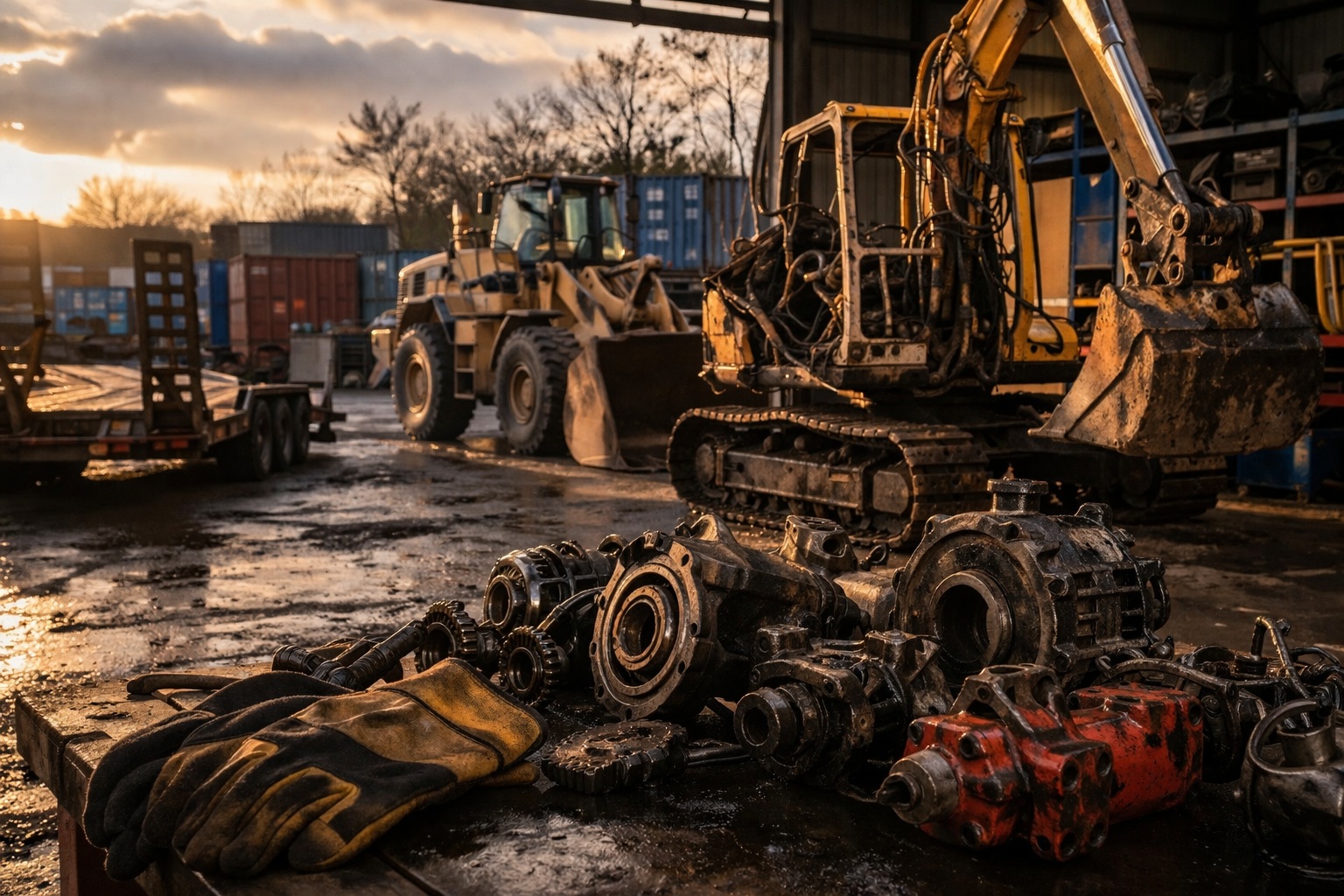
Hidden Value: Even damaged machinery has valuable parts—engines, hydraulics, and more—that can be resold. Specialized buyers may offer a much higher price than scrap metal dealers.
Eco-Friendly Practice: Selling for parts promotes recycling and upcycling, reducing landfill waste and contributing to sustainability efforts.
Better Financial Return: Scrapping only provides a fraction of your equipment’s worth, mainly for metal. Selling to a buyer who refurbishes or resells parts could result in a higher return.
How to Sell Your Damaged Machinery
Get a Valuation: Understand your machinery’s value by hiring an expert or researching similar sales online.
Find the Right Buyer: Look for specialized machinery buyers, parts resellers, or equipment dealers who are interested in purchasing damaged equipment.
Be Transparent: Clearly explain the condition of the equipment to potential buyers. Honesty helps you attract serious offers.
Prepare Documentation: Ensure you have ownership and maintenance records to speed up the process and reassure buyers.
Before you scrap your damaged machinery, think about the value it could still offer. By getting a proper valuation, finding the right buyer, and being transparent about its condition, you can secure a much better return than simply scrapping it.